
The Tiny Home Franchise Market and What to Look For Before Investing
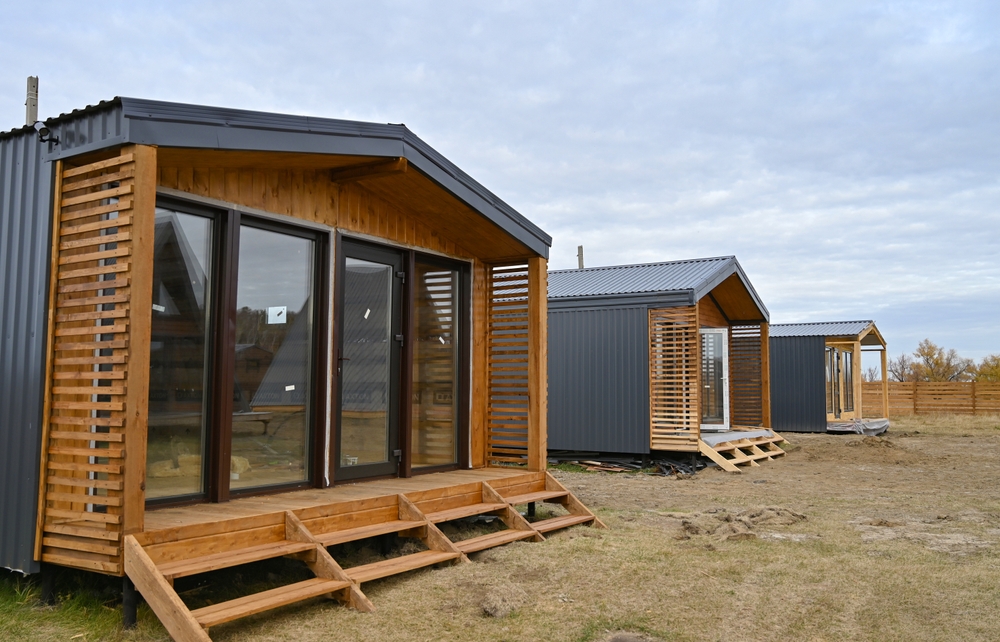
The tiny home movement has evolved from a niche lifestyle choice into a burgeoning market with significant growth potential. With increasing awareness of sustainability, rising housing costs, and the appeal of minimalist living, tiny homes are now a viable option for a broad demographic. As the market grows, franchise opportunities in the tiny home industry have emerged, offering entrepreneurs a chance to capitalize on this trend.
This article explores the tiny home franchise market and provides key insights into what to look for in a franchise system before making an investment.
Understanding the Tiny Home Market
1. Market Trends
-
- Affordable Housing: Rising housing prices have made traditional homes unattainable for many, increasing demand for tiny homes as a cost-effective solution.
- Sustainability: Tiny homes often incorporate eco-friendly designs, renewable energy systems, and sustainable materials, appealing to environmentally conscious buyers.
- Minimalism: The cultural shift towards simpler living has made tiny homes an attractive lifestyle choice.
- Diverse Applications: Beyond personal residences, tiny homes are being used for vacation rentals, guest houses, mobile offices, and even pop-up retail spaces.
2. Target Demographics
-
- Millennials and Gen Z: Younger generations seeking affordability and flexibility.
- Retirees: Downsizing seniors looking for low-maintenance living.
- Nomads: Digital workers and adventurers embracing mobile lifestyles.
- Vacation Rental Investors: Buyers seeking profitable Airbnb or short-term rental opportunities.
Leading Tiny Home Franchise Opportunities
Several brands have established themselves as leaders in the tiny home franchise market, offering proven business models, training, and support. Examples include:
1.NE Tiny Homes Franchise
-
-
New franchise system, which is led by real estate industry elite performers who designed a franchise platform with tight operating systems in place and a strong business development model. Great system and lots of territory available early.
-
Learn more about NE Tiny Homes: https://www.franchiseconduit.com/franchise/ne-tiny-homes/
-
2. Tumbleweed Tiny House Company
-
- Overview: One of the pioneers in the industry, Tumbleweed offers high-quality, customizable tiny homes and extensive resources for franchisees.
- Franchise Features: Marketing support, lead generation tools, and workshops to educate both franchisees and customers.
3. Utopian Villas
-
- Overview: Specializing in luxury tiny homes, Utopian Villas caters to high-end buyers with customizable designs and eco-friendly features.
- Franchise Features: Premium branding, advanced design tools, and support for targeting affluent markets.
4. Tiny Heirloom
-
- Overview: Known for bespoke craftsmanship and unique designs, Tiny Heirloom emphasizes personalized customer experiences.
- Franchise Features: Creative freedom, robust marketing campaigns, and an established reputation for quality.
Key Features to Look For in a Tiny Home Franchise System
1. Proven Business Model
-
- Market Viability: Ensure the franchise has a track record of success in various markets.
- Adaptability: A flexible model that can accommodate different customer needs, from mobile homes to permanent residences.
- Revenue Streams: Multiple income opportunities, such as home sales, rentals, consulting, or maintenance services.
2. Comprehensive Training Programs
-
- Product Knowledge: In-depth understanding of materials, construction methods, and customization options.
- Sales and Marketing: Techniques for attracting leads, closing deals, and building long-term client relationships.
- Operational Efficiency: Training on logistics, supply chain management, and project timelines.
-
Ongoing Education: Opportunities for continuous learning as trends and technologies evolve.
Learn more about franchise training programs and what to look for: https://www.fmsfranchise.com/build-franchise-training-program/
3. Strong Support Systems
-
- Site Development: Assistance with selecting locations for tiny home communities, showrooms, or production facilities.
- Vendor Relationships: Access to preferred suppliers for materials, fixtures, and appliances.
- Dedicated Support: A team of experts to guide franchisees through challenges and opportunities.
4. Marketing and Branding Assistance
-
- National Campaigns: Leverage the franchise’s brand recognition through widespread marketing efforts.
- Customizable Materials: Tailored resources for local promotions, social media, and community outreach.
- Digital Presence: Robust online tools, including SEO-optimized websites, virtual tours, and CRM integration.
5. Technology Integration
-
- Design Software: Tools to help customers visualize their homes with 3D renderings and interactive floor plans.
- CRM Systems: Platforms for managing leads, tracking sales, and enhancing customer relationships.
- Project Management Tools: Systems to streamline construction timelines and inventory control.
6. Sustainability Practices
-
- Eco-Friendly Materials: Franchises should prioritize sustainable and renewable building options.
- Energy Efficiency: Support for incorporating solar panels, rainwater collection, and other green technologies.
- Certifications: Compliance with environmental standards and certifications such as LEED or Energy Star.
7. Financial Transparency and Support
-
- Clear Cost Structure: Detailed breakdowns of initial fees, royalties, and other expenses.
- Financing Options: Partnerships with lenders to help franchisees secure funding.
- Profitability Data: Insights into expected revenue, break-even points, and ROI timelines.
8. Community Building Opportunities
-
- Networking Events: Workshops and conferences to connect franchisees and share best practices.
- Collaborative Initiatives: Opportunities to co-develop projects or participate in large-scale community builds.
- Customer Engagement: Strategies for fostering loyal customer communities, such as events, online forums, and referral programs.
9. Legal and Regulatory Compliance
-
- Building Codes: Support in navigating local, state, and federal construction regulations.
- Zoning Laws: Assistance with identifying suitable land for tiny home placement.
- Permitting Processes: Guidance through application procedures and inspections.
Evaluating the Franchise Opportunity
Before investing in a tiny home franchise, consider the following steps:
1.Research the Brand
-
- Investigate the franchise’s history, reputation, and customer reviews.
- Speak with current franchisees about their experiences.
2. Analyze the Market
-
- Assess demand for tiny homes in your target area.
- Identify competitors and potential differentiators.
3. Review the Franchise Disclosure Document (FDD)
-
-
Examine financial disclosures, operational requirements, and legal obligations.
- Consult with a franchise attorney to ensure clarity and protection.
-
Learn more about the FDD straight from the FTC: https://www.ftc.gov/business-guidance/blog/2023/05/franchise-fundamentals-taking-deep-dive-franchise-disclosure-document
4. Attend Discovery Days
-
- Participate in informational events to meet the franchisor’s team and gain deeper insights into the business.
5. Test the Product
Visit existing tiny home communities or showrooms to evaluate the quality and appeal of the homes.
6. Assess Personal Fit
-
-
Consider whether the franchise aligns with your values, goals, and lifestyle preferences.
-
The tiny home franchise market represents a dynamic and expanding opportunity for entrepreneurs. With growing consumer interest in sustainable, affordable, and versatile housing solutions, investing in a tiny home franchise can be a rewarding endeavor. However, due diligence is essential. By evaluating the business model, support systems, and alignment with personal and market needs, prospective franchisees can position themselves for success in this innovative industry.
For more information on how to franchise your Tiny Homes Business, contact Franchise Marketing Systems (FMS Franchise): www.FMSFranchise.com